Dr. Mettu Srinivasa Reddy is one of the finest Transplant Surgeon in Indi...See More
Feb 07, 2026

Expert in living donor & pediatric liver transplants, complex tumor resections, and advanced hepatobiliary surgery with compassionate, patient-focused care.
.jpg)
Delivering complex transplants with precision, innovation, and global expertise.

Transforming lives through safe, advanced, and compassionate care

Bringing global training and innovation to patients in India

Leading with research, teaching, and advocacy for organ donation

Dedicated to holistic care and best possible patient outcome

.jpg)
.jpg)
.jpg)
.jpg)
.jpg)
.jpg)
About Us
Dr. Mettu Srinivas Reddy is an internationally trained Liver Transplant and Hepatobiliary Surgeon with over two decades of clinical and academic excellence. He has played a pivotal role in advancing liver transplantation in India, specializing in living donor and pediatric liver transplantation, complex liver and pancreatic tumor resections, and hepatobiliary surgeries. His expertise is backed by extensive training in the UK and leadership roles in premier hospitals across India.
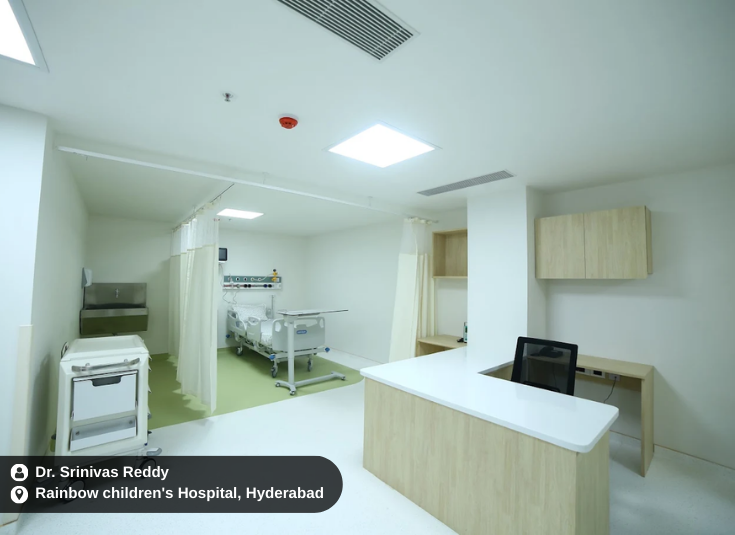
Currently serving as the Director & Lead Surgeon at Star Liver Institute, Star Hospitals, Hyderabad, and as the Group Director for Pediatric Liver Transplantation at Rainbow Children’s Hospitals, Dr. Reddy has transformed countless lives through successful transplants and innovative surgical techniques.
His vision is to make world-class liver care accessible to both children and adults, ensuring that no patient is deprived of treatment due to complexity or scarcity of resources. His mission focuses on blending clinical precision with compassion, promoting organ donation awareness, and nurturing the next generation of transplant specialists.
Through his leadership in the Liver Transplantation Society of India and contributions to international research and guidelines, Dr. Reddy continues to drive global collaboration, shaping the future of liver transplantation with excellence and empathy.
Liver Transplant
Pediatric Liver Transplant
Liver Cancer Patient Treated





Comprehensive Liver Transplant & Hepatobiliary Care

Stay informed with our latest updates, posts, announcements, and healthcare news

Dr. Mettu Srinivasa Reddy is one of the finest Transplant Surgeon in Indi...See More
Feb 07, 2026
Hepatologist, Liver Transplant Specialist
.png)
Our Latest Videos







Need Answers? Find them here...
Dr. Mettu Srinivas Reddy is a renowned Liver Transplant and Hepatobiliary Surgeon with top-tier qualifications such as MS, DNB, FRCS, and PhD. Based in Hyderabad, India, he serves as the Director and Lead Surgeon at Star Liver Institute, Star Hospitals, Nanakramguda, and is also the Group Director for Pediatric Liver Transplantation at Rainbow Children’s Hospitals across India. With over two decades of surgical expertise, Dr. Reddy is known globally for his work in living donor and pediatric liver transplantation, as well as complex liver and pancreatic surgeries.
Dr. Mettu Srinivas Reddy is celebrated for his expertise in living donor and pediatric liver transplantation, complex resection of liver and pancreatic tumors, and management of ischemia reperfusion injury. His extensive training through senior fellowships in the UK has equipped him with advanced skills in multi-organ and hepatopancreatobiliary (HPB) surgery. As a thought leader, he has contributed to international scientific consensus guidelines and authored chapters in leading surgical textbooks, emphasizing his commitment to excellence and innovation in the field.
Liver transplant is often considered for adults suffering from liver cancer, such as hepatocellular carcinoma, when the tumor is localized and the patient meets specific criteria. It offers a potential cure for select patients by removing both the tumor and the cirrhotic liver, reducing the risk of cancer recurrence that is higher in other treatments like partial hepatectomy.
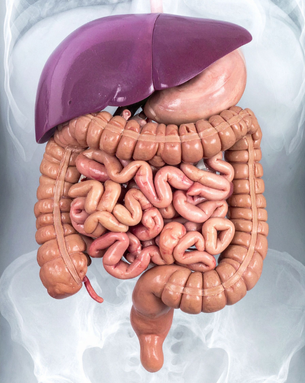
Liver cirrhosis is the final phase of chronic liver disease, resulting in severe scarring and impaired liver function. As cirrhosis progresses, it can lead to liver failure, where a liver transplant becomes the only viable option to restore normal liver function. Transplantation replaces the damaged organ, allowing patients to recover and live healthier lives.
Patients with liver failure, whether acute or chronic, may qualify for a liver transplant if they no longer respond to medical management. Conditions leading to such failure include alcohol-related liver disease, viral hepatitis, or nonalcoholic fatty liver disease. Candidates are evaluated based on the severity of their condition and overall health to ensure they can tolerate the procedure and care.
Bile duct and gallbladder cancers, particularly when in advanced stages with limited resection options, may be treated with liver transplantation. This approach is considered when tumors are confined to the liver and bile duct, and the patient is non-responsive to other treatments. Transplantation can provide new, cancer-free tissue and improve survival chances, but eligibility criteria are stringent.
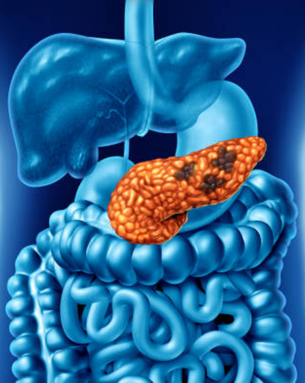
Pancreatic cancer surgery may include procedures like the Whipple procedure, distal pancreatectomy, or total pancreatectomy, depending on cancer's location and stage. Surgery aims to remove the tumor and affected tissue, and when combined with chemotherapy or radiation, it improves survival rates. Early diagnosis and tumor characterization are crucial in determining surgical options for better outcomes.
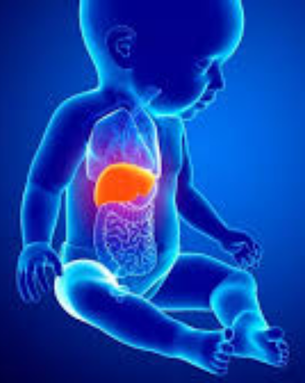
Liver diseases in children often include congenital or genetic conditions like biliary atresia or metabolic disorders, which differ from the acquired conditions more common in adults. Pediatric liver disease management often focuses on growth and development, requiring tailored treatments. Liver transplantation may be considered in severe cases where early intervention can significantly enhance the child's quality of life and prognosis.
In children, liver tumors like hepatoblastoma and hepatocellular carcinoma are less frequent but require prompt diagnosis and treatment. These tumors can be linked to genetic syndromes or developmental abnormalities. Treatment typically involves surgical resection and chemotherapy, and in cases where surgery isn't viable, liver transplant may offer a potential cure. Multidisciplinary care is essential for successful outcomes in pediatric patients.
Pediatric liver transplant management requires specialized approaches considering developmental needs and long-term growth. Transplant centers prioritize minimizing the impact of surgery and immunosuppression on a child's growth and development. Techniques like split liver or living donor transplants are often used to provide size-appropriate organs. Post-transplant care focuses on balancing medication to prevent rejection while allowing normal development.
Liver transplantation in adults, though life-saving, carries risks including surgical complications, organ rejection, infection, and issues from long-term immunosuppression. Other considerations include the patient's ability to adhere to post-operative care and medication regimens. Comprehensive pre-transplant evaluations and post-surgical monitoring are crucial to minimize risks and ensure successful integration of the new liver into the recipient's body.
Eligibility for liver transplantation is determined through a comprehensive evaluation process considering the severity of liver disease, overall health, and the likelihood of a successful recovery. For adults, common criteria include cirrhosis, liver cancer, and liver failure, while for children, it includes congenital liver defects or metabolic disorders. Both require careful assessment of potential risks and benefits, balancing immediate needs with long-term health outcomes.
 Address :Rainbow children's Hospital-Banjara Hills, Road No. 2, Near Hotel Park Hyatt, Banjara Hills, Hyderabad 500034, Telangana Address :Star Hospitals 8-2-596/5, Road. No. 10, Hyderabad 500034, Telangana